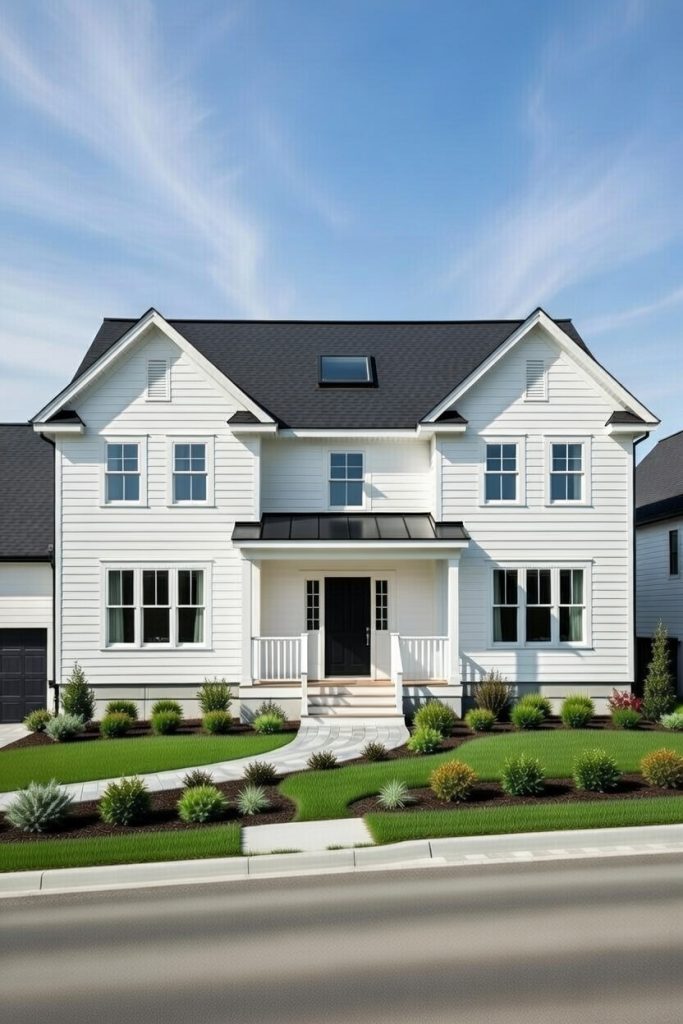
Choosing siding is about more than color. In New Jersey, siding has to handle freeze-thaw cycles, heavy rain, snow, humid summers and the occasional nor’easter. The right material for your home depends on your budget, the style of the house, how much upkeep you want, and how long you plan to stay.
★★★★★ Garden State Home Exteriors has 400+ five-star reviews from New Jersey homeowners.
This guide compares the main siding materials used on North Jersey homes: vinyl, fiber cement, composite and wood, plus PVC trim. It also covers profiles and colors, so you can walk into any estimate knowing what to ask for.
What Siding Has to Handle in New Jersey
Before comparing materials, it helps to know what they are up against:
- Freeze-thaw cycles that make materials expand and contract all winter
- Rain and melting snow that test every seam and window opening
- Humidity that can lead to rot or mold if water gets trapped behind the wall
- Wind during storms that can lift loose panels
- Sun that fades color, especially on south and west walls
Every material below can perform well here. Every one of them can also fail if it is installed badly. Keep that in mind as you compare.
Vinyl Siding
Vinyl is the most common siding on North Jersey homes. It is made from PVC resin, and the color runs through the panel, so it never needs painting.
Why homeowners choose vinyl
- Lower upfront cost than most other materials
- Very low maintenance: no painting, sanding or staining
- Resists moisture, rot and insects
- Huge range of colors, textures and profiles
- Damaged panels can often be replaced one at a time
Things to watch
- Thin, low-grade panels can warp in summer sun and crack in deep cold.
- Vinyl must be nailed loosely with expansion gaps so it can move. Tight nailing causes buckling.
- Very dark colors need a product line built for them.
Panel thickness matters. Thicker panels with a stronger nailing hem hold up better in wind and stay flatter on the wall. Insulated vinyl adds a foam backer that stiffens the panel and helps with comfort. Brands we install include CertainTeed and Alside. For a closer look at one manufacturer’s lines, see our CertainTeed vinyl siding guide.
Fiber Cement Siding
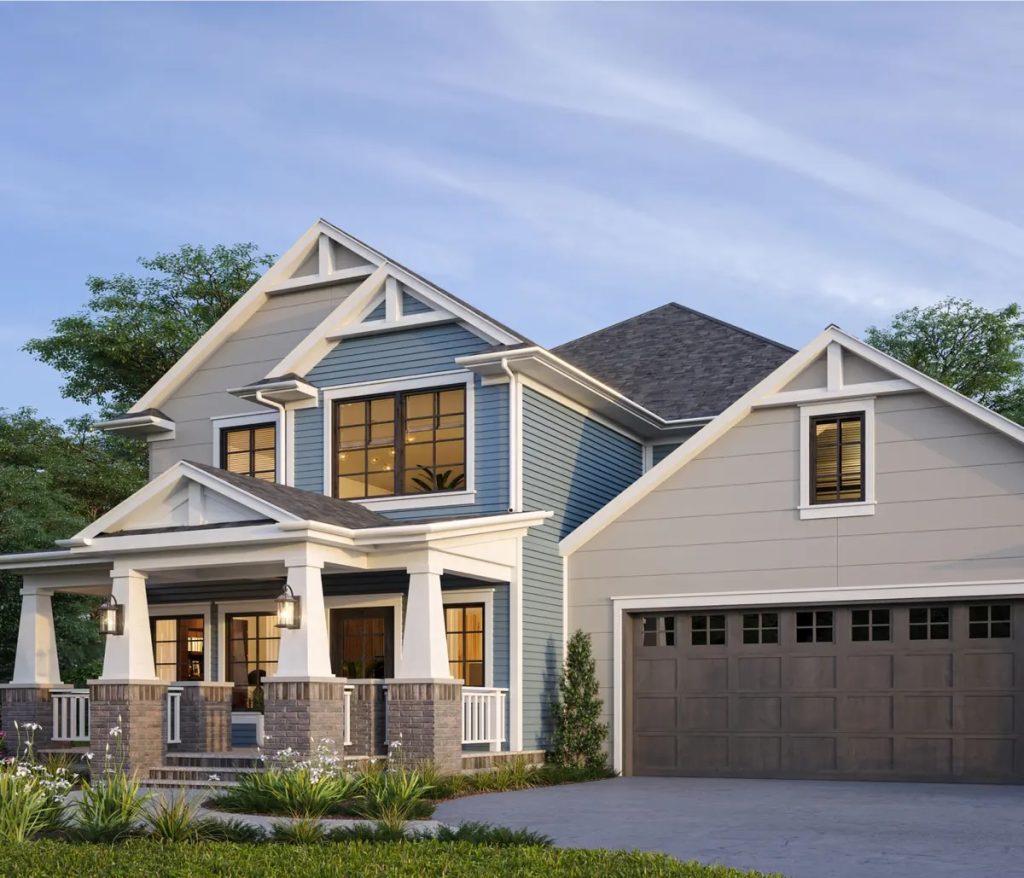
Fiber cement is made from cement, sand and cellulose fibers. James Hardie is the leading brand. It is heavier and more rigid than vinyl, with a crisp, painted-wood look.
Why homeowners choose fiber cement
- Strong resistance to impact, wind and hail
- Will not rot, and insects such as termites and carpenter ants do not eat it
- Non-combustible
- Deep, realistic wood grain and sharp shadow lines
- Factory finishes hold color well over time
Things to watch
- Higher upfront cost than vinyl, mostly due to weight and labor
- Installation needs specific clearances, flashing and cutting methods
- Painted surfaces will eventually need repainting
Composite and Engineered Siding
Composite products blend materials to get the look of wood with less upkeep. They tend to sit between vinyl and fiber cement on cost. They are a good fit when you want a heavier, more solid panel than vinyl but prefer a lighter product than fiber cement. Ask how the product handles moisture at cut ends, and what finish it comes with.
Wood Siding
Real cedar and other wood siding have a classic look that many older North Jersey homes were built with. Wood needs regular painting or staining and close attention to moisture. Many homeowners who love the look now choose vinyl or fiber cement shakes and boards that copy wood grain without the upkeep.
PVC Trim
Trim gets hit hardest by water: window and door surrounds, corner boards, fascia and frieze boards. Wood trim in these spots is often where rot starts. Cellular PVC trim, such as Azek, does not rot, takes paint well and can be milled into crisp profiles. Pairing new siding with PVC trim removes one of the most common maintenance headaches on older homes.
Side-by-Side Comparison
| Material | Upfront cost | Maintenance | Strengths | Watch for |
|---|---|---|---|---|
| Vinyl | Lower | Very low | Colors, styles, value | Grade and nailing method |
| Insulated vinyl | Moderate | Very low | Stiffer panels, comfort | Fit at trim and corners |
| Fiber cement | Higher | Low (repaint over time) | Impact, fire and rot resistance | Correct clearances and flashing |
| Composite | Moderate | Low | Solid feel, wood look | Edge sealing, finish |
| Wood | Moderate to high | High | Authentic look | Paint cycles, rot |
If you want numbers, our guide on what affects vinyl siding cost in New Jersey breaks down the factors that move the price.
Siding Profiles: Lap, Dutch Lap, Shake and More
The profile is the shape of the panel. It changes the look of the house as much as color does. Common choices:
- Lap (clapboard): long horizontal boards that overlap to shed water. A natural fit for colonials. Reveals usually run from about three to seven inches.
- Dutch lap: a lap board with a small groove at the top of each course that adds a deeper shadow line.
- Beaded: a rounded bead along the bottom edge for a traditional, hand-milled look.
- Shakes and shingles: copy cedar shakes. Popular on gables, dormers and Cape Cods, or as a full-house look.
- Board and batten: vertical boards with narrow strips over the seams. Common on modern farmhouse designs and as an accent.
- Log: a rounded profile that mimics log construction, used mostly on cabins.
Mixing profiles is common. A lap body with shakes in the gables and board and batten on an entry bump-out can add a lot of character without changing materials.
Choosing Siding Colors

Siding colors have moved well past white and beige. Manufacturers now offer deep blues, charcoals and greens in vinyl, plus stained and semi-transparent looks. CertainTeed, for example, backs its vinyl colors with PermaColor fade protection and was early to offer darker shades. In recent seasons our clients have often picked blues and grays such as Pacific Blue, Midnight Blue, Charcoal Gray and Sterling Gray.
A few tips:
- Color names are not standard. “Charcoal Gray” from one brand can look different from another brand’s version.
- Look at real samples outside, in morning and afternoon light. Small chips look darker indoors.
- Think about the roof color. The roof and siding are seen together from the street.
- Pick trim and window colors at the same time as the siding.
Our showrooms in Hillsdale, Fairfield and Little Falls have full-size siding displays. We can also create a 3D rendering of your home in the colors you are considering, so you can see the result before work starts.
Installation Matters More Than the Label
Siding is part of a wall system. Behind it are housewrap, flashing at every window and door, and the sheathing that holds it all together. If water gets past the siding and has nowhere to drain, it rots the wall no matter how good the panel is.
Good installation includes:
- Repairing any soft sheathing before new siding goes on
- A continuous weather-resistant barrier, lapped so water runs down and out
- Proper flashing at windows, doors and roof-to-wall areas
- Correct fastening and expansion gaps for the material
- Clean integration with trim and soffits
That is why we treat material choice and installation as one decision. You can read more about how we handle siding installation and replacement.
Simple Siding Care
- Rinse siding once or twice a year with a garden hose and a soft brush. A mild water and vinegar mix handles most grime.
- If you use a pressure washer, keep it on a low setting and spray downward, never up under the laps.
- Aim lawn sprinklers away from the walls. Constant wetting speeds up wear.
- Walk the house after big storms and look for loose or cracked panels.
- Keep caulk joints at trim in good shape on painted surfaces.
Frequently Asked Questions
Which siding holds up to New Jersey weather?
Vinyl and fiber cement are both reliable here when installed correctly. Vinyl wins on upfront cost and ease of care. Fiber cement wins on impact resistance and rigidity.
How long does siding last?
Vinyl typically lasts 20 to 40 years, and fiber cement 30 to 50 years, depending on product grade, sun exposure, maintenance and installation quality.
Is vinyl or fiber cement better?
Neither is better for every home. Vinyl suits homeowners focused on value and low upkeep. Fiber cement suits those who want maximum durability and a painted-wood look.
Do I need a permit to replace siding in New Jersey?
No. Siding replacement does not need a permit in New Jersey.
How can I tell whether my siding needs replacing?
Look for warping, cracking, loose panels, soft spots and moisture stains inside. Our guide to the signs you need new siding walks through what to check.
See the Options in Person
The easiest way to choose is to see and touch the materials. Visit one of our showrooms or request a free written estimate, and we will help you compare materials, profiles and colors for your home.
Find a Siding Contractor in Your Town
We install, replace and repair siding across North Jersey. Pick your county to see siding in your town:
Bergen County
- Siding in Allendale
- Siding in Alpine
- Siding in Bergenfield
- Siding in Bogota
- Siding in Carlstadt
- Siding in Cliffside Park
- Siding in Closter
- Siding in Cresskill
- Siding in Demarest
- Siding in Dumont
- Siding in East Rutherford
- Siding in Edgewater
- Siding in Elmwood Park
- Siding in Emerson
- Siding in Englewood
- Siding in Englewood Cliffs
- Siding in Fair Lawn
- Siding in Fairview
- Siding in Fort Lee
- Siding in Franklin Lakes
- Siding in Garfield
- Siding in Glen Rock
- Siding in Hackensack
- Siding in Harrington Park
- Siding in Hasbrouck Heights
- Siding in Haworth
- Siding in Hillsdale
- Siding in Ho-Ho-Kus
- Siding in Leonia
- Siding in Little Ferry
- Siding in Lodi
- Siding in Lyndhurst
- Siding in Mahwah
- Siding in Maywood
- Siding in Midland Park
- Siding in Montvale
- Siding in Moonachie
- Siding in New Milford
- Siding in Northvale
- Siding in Oakland
- Siding in Old Tappan
- Siding in Oradell
- Siding in Palisades Park
- Siding in Paramus
- Siding in Park Ridge
- Siding in Ramsey
- Siding in Ridgefield
- Siding in Ridgefield Park
- Siding in Ridgewood
- Siding in River Edge
- Siding in River Vale
- Siding in Rochelle Park
- Siding in Rutherford
- Siding in Saddle Brook
- Siding in Saddle River
- Siding in Teaneck
- Siding in Tenafly
- Siding in Township of Washington
- Siding in Upper Saddle River
- Siding in Waldwick
- Siding in Wallington
- Siding in Westwood
- Siding in Wood-Ridge
- Siding in Woodcliff Lake
- Siding in Wyckoff
Passaic County
Essex County
- Siding in Belleville
- Siding in Bloomfield
- Siding in Caldwell
- Siding in Cedar Grove
- Siding in East Orange
- Siding in Essex Fells
- Siding in Fairfield
- Siding in Glen Ridge
- Siding in Irvington
- Siding in Livingston
- Siding in Maplewood
- Siding in Millburn
- Siding in Montclair
- Siding in Newark
- Siding in Nutley
- Siding in Orange
- Siding in Roseland
- Siding in Short Hills
- Siding in South Orange
- Siding in Verona
- Siding in West Orange
Morris County
Morris County